ServicesTrailer Interchange Insurance
Trailer Interchange Insurance in Roswell, GA
If you pull someone else's trailer or chassis under a signed interchange agreement, you're responsible for damage to it while it's hooked to your truck. We set up trailer interchange coverage that matches the limits your agreement asks for, explain it in plain terms, and send the certificate where it needs to go.
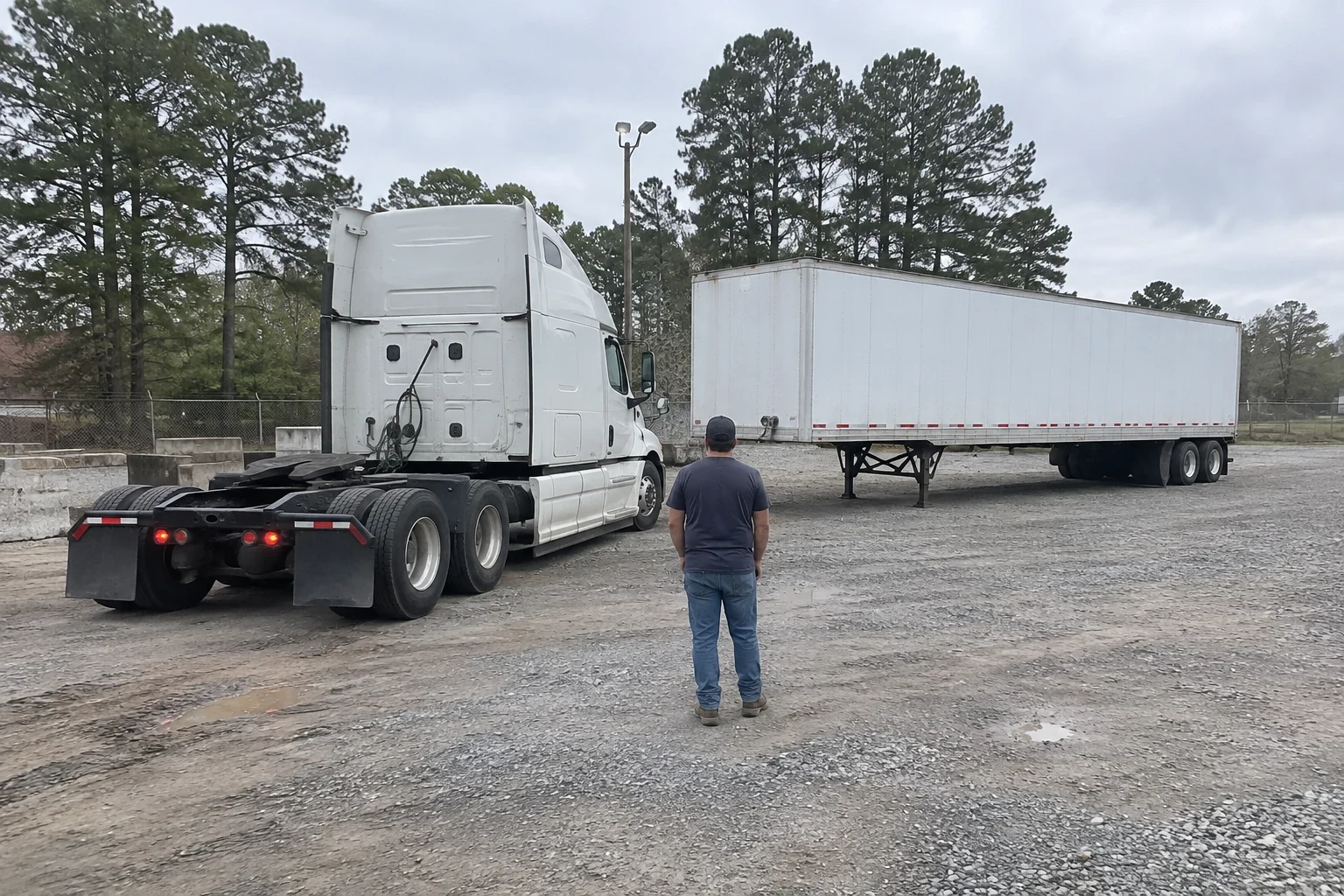
What trailer interchange covers and who needs it
Trailer interchange insurance is physical damage coverage for a trailer you don't own but have agreed in writing to look after. The written agreement is the important part. It moves responsibility for the trailer from its owner to you while it's in your possession, so if it's damaged in a wreck, a fire, a theft or a bad backing job in the yard, the bill lands on your operation.
Most carriers who ask us about it haul intermodal containers on chassis, swap trailers with another motor carrier, or pull a shipper's trailers on a dedicated lane. Your primary auto liability doesn't pay for damage to that borrowed trailer, and the physical damage coverage on your own tractor doesn't either. Interchange coverage fills that gap.
We've been in business 5 years, and we handle each call the way we'd want a neighbor to handle ours. That means reading your agreement with you before we quote, so the coverage fits what you actually signed.
What we set up for you
Limits that match your agreement
Most interchange agreements name a minimum limit per trailer. We find that number and quote a limit that meets it, with room for higher-value equipment like refrigerated units if you pull them.
The causes of loss that matter
Coverage typically responds to collision, fire, theft, vandalism and weather damage such as hail or a falling limb. We also point out what the form leaves out, like normal wear and mechanical breakdown, so you know where the edges are.
A deductible that fits your cash flow
A higher deductible lowers the premium but means more out of pocket on a damaged trailer door or a crushed corner post. We show you both sides and let you pick.
Certificates of insurance
Equipment owners and intermodal providers want proof before you pick up. We issue certificates naming the right party when the agreement calls for it, and we send updated ones when your policy renews.
A check against the rest of your policy
We look at how interchange sits beside your cargo coverage, physical damage and liability so you aren't paying twice or missing a piece. If you pull trailers without a written agreement, we'll explain non-owned trailer coverage instead, since that's a different fit.
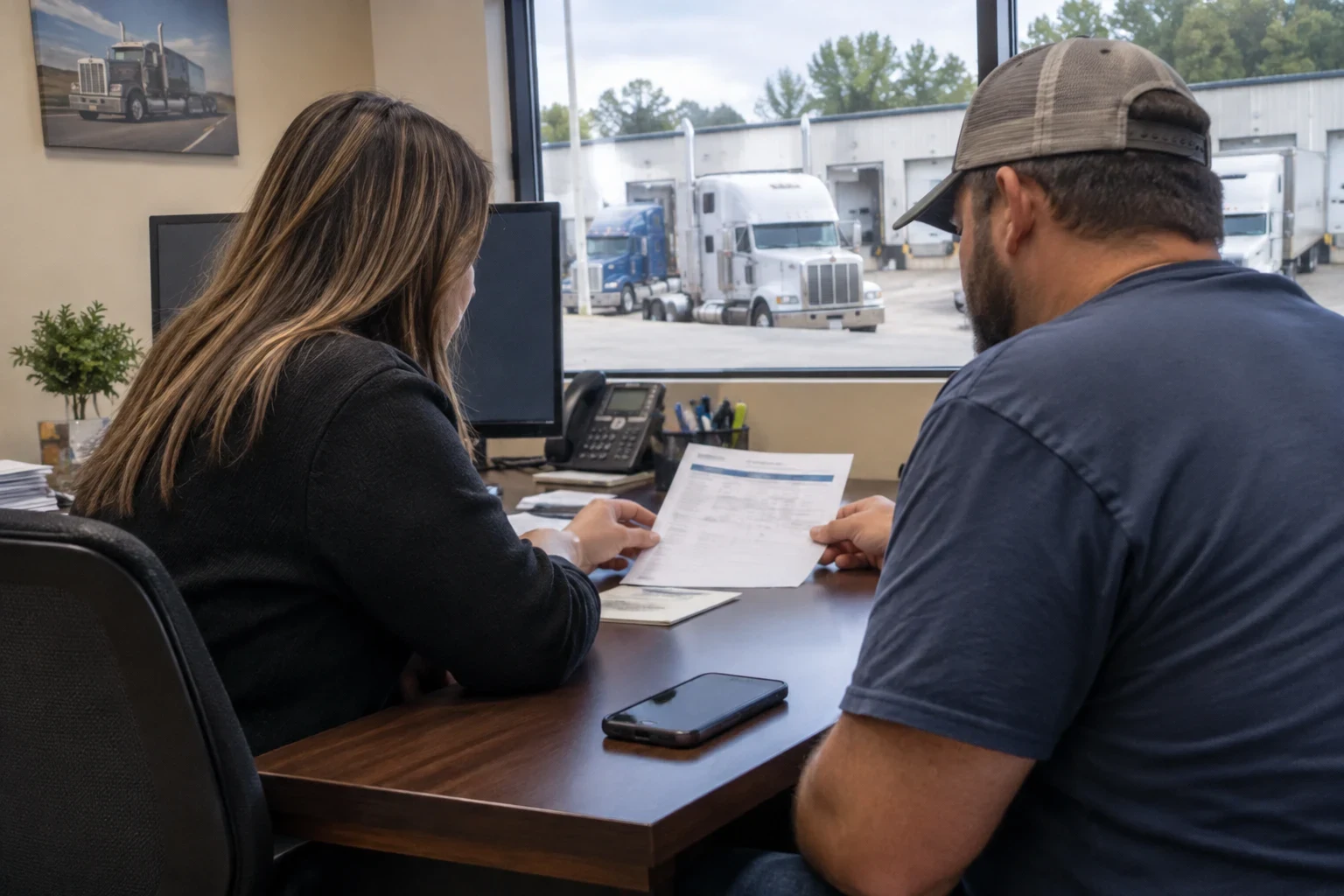
Signs you need trailer interchange coverage
- You signed an intermodal agreement
- Container drayage usually runs through the UIIA or a similar agreement. Those agreements expect you to carry coverage for the chassis and containers you pull.
- You swap trailers with another carrier
- Dropping your trailer and hooking to a partner's is common on relay and team runs. Once there's a written swap agreement, each side is usually responsible for the other's equipment.
- Someone asked for proof of interchange limits
- A broker, shipper or equipment owner wants a certificate showing trailer interchange before you can pull their equipment. That request is a clear sign the coverage needs to be in place.
- You run a shipper's trailers on a dedicated lane
- Power-only and dedicated work often comes with a contract making you liable for the trailer. Read that contract closely, or let us read it with you.
- Your policy only lists your own equipment
- If your declarations page names only your tractor and your own trailer, borrowed equipment likely isn't covered. It's worth a quick look before the next load.
How getting covered works
- 1
Start with a conversation
Give us a ring and have your DOT number, MC authority and a copy of the interchange agreement nearby. We can go over it by phone, by video or at our office.
- 2
We read the agreement with you
We pick out the required limit, who needs to be named on the certificate, and any notice rules for damage. If something in the wording is unclear, we tell you plainly.
- 3
You get a quote that makes sense
We're licensed for property and casualty insurance and put together a quote that spells out the premium, the deductible and what isn't covered. No pressure to add coverage you don't need.
- 4
Coverage and certificates go out
Once you decide, we bind the coverage and send certificates to the equipment owner or intermodal provider so you can get rolling.
- 5
We stay in the loop
New lanes, a new partner carrier or a damaged trailer all bring questions. You call the same people who set up the policy.
What moves the price of interchange coverage
Interchange premiums mostly follow the value of the trailers you pull and how often you have them. We walk through each factor on your quote so the number makes sense before you agree to it.
- Trailer type and value
- A newer refrigerated trailer costs more to repair or replace than an older dry van or a standard container chassis. The more valuable the equipment, the higher the limit and premium.
- Limit and deductible
- The limit your agreement requires sets the floor. Raising your deductible can bring the premium down if you can handle the out-of-pocket cost on a claim.
- Driving records and claims history
- Clean MVRs and few past losses help. Recent trailer damage claims or accidents usually push the price up.
- How and where you run
- Short drayage runs, long-haul lanes and frequent yard moves carry different risks. How many trailers you have hooked at once also counts.
- Time in business
- Carriers with a few years of operating history often see better pricing than brand-new authorities, though new carriers can still get covered.
Trailer interchange questions we hear
- Is trailer interchange the same as non-owned trailer coverage?
- No. Trailer interchange applies when you've signed a written agreement taking responsibility for someone else's trailer. Non-owned trailer coverage is for borrowed trailers without that kind of agreement. We'll look at how you operate and tell you which one fits.
- Doesn't my liability policy cover a trailer I'm pulling?
- Primary auto liability pays for damage you cause to other people and their property on the road. It doesn't pay to fix the trailer that's hooked to your truck. That's the job of interchange coverage.
- Do I need this if I only pull my own trailers?
- Usually not. Your own trailers belong on your physical damage coverage. Interchange only matters once you take on equipment owned by someone else under a written agreement.
- What limit should I carry?
- At minimum, whatever your interchange agreement requires. Beyond that, think about the value of the most expensive trailer you're likely to pull. We'll help you pick a number that covers that without overpaying.
- Does it cover the freight inside the trailer?
- No. Trailer interchange covers the trailer itself. The load is covered by motor truck cargo insurance, which we can quote at the same time.
- Can you add interchange to a policy I already have?
- Often, yes, depending on the insurance company and how your current policy is written. Send us your declarations page and the agreement, and we'll tell you whether adding it or rewriting the policy makes more sense.
Have an interchange agreement waiting on you?
Bring it to us before you hook up. We work with carriers in Roswell, Alpharetta, Marietta and nearby towns by phone, by video or at our office, and we'll make sure the coverage lines up with what you signed.