ServicesCommercial Trucking Insurance
Commercial Trucking Insurance in Roswell
We put together the coverage your operation needs to stay on the road: liability, cargo, physical damage and the filings that keep your MC authority active. You get plain answers about what each piece does and why, from people who treat your business like a neighbor's.
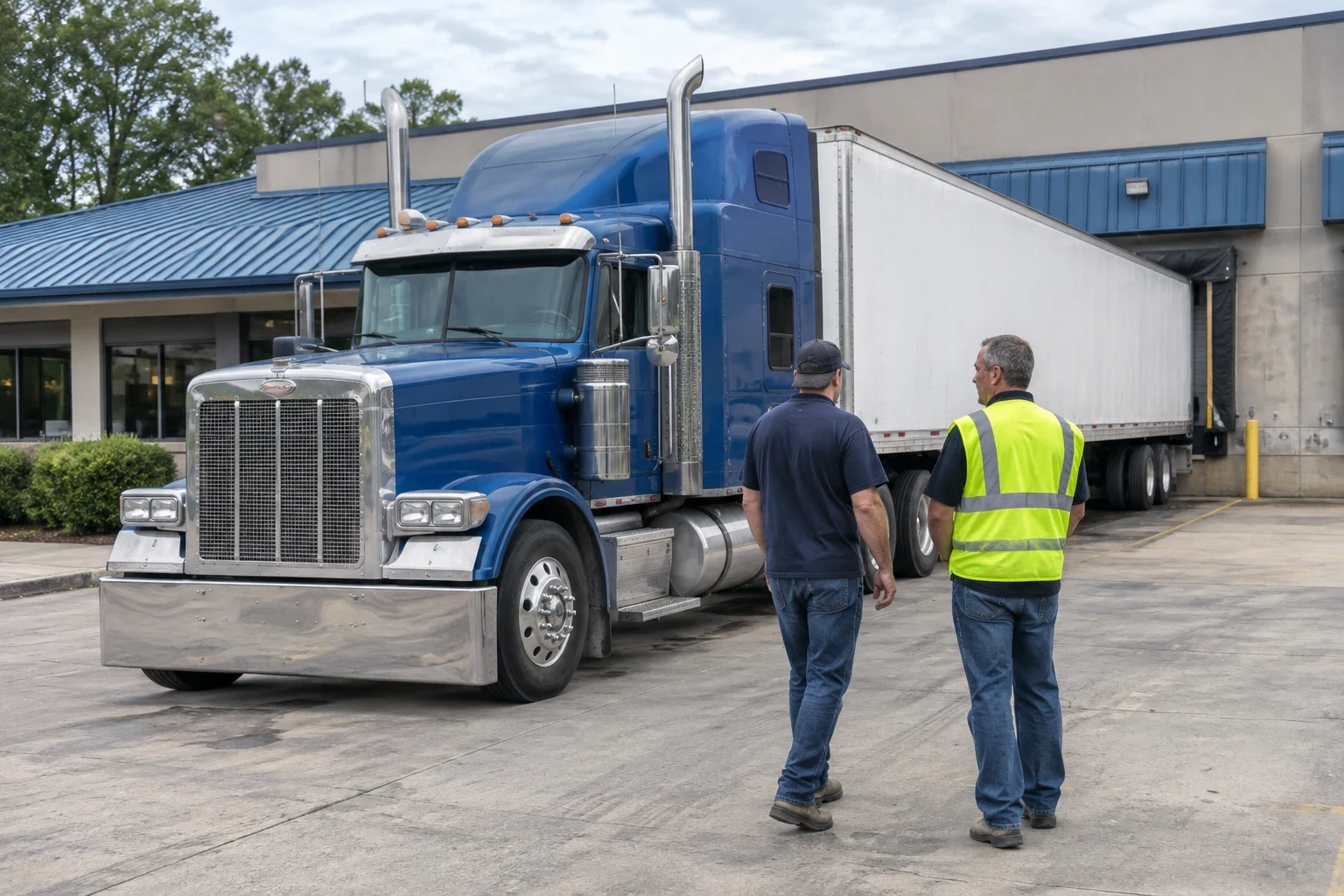
What commercial trucking insurance covers
Commercial trucking insurance is not one policy. It is a set of coverages that together protect your trucks, the freight you haul and the people you share the road with. Most motor carriers need primary auto liability to run under their own authority, and most shippers and brokers will also ask for cargo coverage before they tender a load.
Our job is to fit those pieces to your operation. A dry van carrier running regional lanes needs a different mix than a flatbed outfit hauling steel or a local dump truck business. We ask how you run, what you haul and who you contract with, then explain the options in plain terms so you can decide without pressure.
We have been doing this for 5 years, and we are licensed for property and casualty insurance. Owner-operators and small fleets from Roswell, Alpharetta, Marietta and the surrounding area work with us by phone, video or at our office.
What we put together for you
Primary auto liability
This covers injury and property damage you cause to others while operating. It is the coverage tied to your federal filing, and it has to meet the minimum limits for what you haul.
Motor truck cargo
Cargo coverage protects the freight on your truck if it is damaged or stolen. We check the exclusions against your commodities, because a reefer breakdown or an unattended load can be treated very differently from one policy to the next.
Physical damage
Comprehensive and collision for your tractor, straight truck or trailer. If you finance or lease your equipment, the lender usually requires it and names itself on the policy.
Non-trucking and trailer interchange
Leased owner-operators often need non-trucking liability for when they are off dispatch. Carriers pulling someone else's trailer under an interchange agreement may need trailer interchange coverage. We tell you whether either applies to you.
Filings and certificates
We handle the federal and state filings your authority requires and send certificates of insurance to the brokers and shippers you name, so a load is not held up waiting on paperwork.
Signs it is time to review your coverage
You are getting your own authority
Once you leave a lease and run under your own DOT number and MC authority, the filing has to be in place before the FMCSA will activate it.
A broker rejected your certificate
If a broker says your cargo limit is too low or a needed endorsement is missing, that is a gap worth fixing before the next load.
You added a truck or changed freight
New equipment, a new driver, a longer radius or a different commodity can each change what you need and what you pay.
Your renewal jumped and nobody explained why
A bigger premium usually has a reason, such as a claim, a driver's record or a market change. You deserve to hear it plainly and to know what you can do about it.
You are not sure what you are paying for
If you cannot say what your deductible is or what your cargo policy excludes, a short review call can clear that up.
How a quote works with us
- 1
A conversation about your operation
We start with a phone or video call. We ask about your trucks, drivers, radius, commodities and the contracts you run under. It takes a little time, and it is what makes the quote accurate.
- 2
Gathering the details
We collect what underwriters ask for: your DOT number, driver licenses and records, equipment values and any prior loss runs. If you are new, we explain what to expect without prior history.
- 3
Options laid out side by side
We walk you through each option, coverage by coverage, including limits, deductibles and notable exclusions. You can ask questions and change pieces before anything is bound.
- 4
Binding, filings and certificates
Once you choose, we bind the coverage, put your filings on record and send certificates to the parties you need. After that, a quick call is all it takes for mid-term changes when you add a truck or a driver.
What moves your premium
Trucking premiums are built from your specific risk, so two carriers with similar trucks can pay very different amounts. We cannot give a number until we know your operation. Here is what underwriters look at most closely.
- Drivers and their records
- Driving experience, violations and accidents on each driver's record carry a lot of weight. Newer drivers or recent tickets usually raise the cost.
- What you haul and how far
- Higher-value or higher-risk freight costs more to insure. Long-haul and multi-state operations are generally priced differently than local work close to home base.
- Time in business and loss history
- New authorities often pay more until they build a track record. A clean claims history over several years helps at renewal.
- Equipment and limits
- The value of your trucks drives physical damage cost, and the liability and cargo limits you choose shape the rest. Higher deductibles can lower premium if you can carry that risk.
Questions about commercial trucking insurance
Something not covered here? (770) 285-5789
Do I need commercial trucking insurance before my MC authority is active?
Yes. The FMCSA will not activate your authority until a liability filing is on record. Getting a quote started early helps avoid a gap between your application and your first load.
Is a personal auto policy enough for a pickup pulling a trailer for hire?
No. Once you haul for hire, a personal policy will usually not respond to a claim. You need commercial coverage, and hotshot operations often need a filing as well.
How fast can you send a certificate of insurance to a broker?
Once coverage is bound, we send certificates as soon as you tell us who needs them and what they require. Giving us the broker's requirements up front helps us get it right the first time.
What happens if I add a truck mid-policy?
Let us know before the truck goes into service. We add it to your policy, adjust the premium for the rest of the term and update any filings or certificates that list your equipment.
Will you help me understand a claim?
We explain what your policy covers and how the claim process works with your carrier. The insurance company's adjuster makes the coverage decision, but you will not be left guessing about the next step.
Let's look at your operation together
Tell us about your trucks, your freight and where you run. We will lay out your options clearly and help you choose what fits.