ServicesPhysical Damage Insurance
Physical Damage Insurance in Roswell
Liability protects other people. Physical damage coverage protects your truck. We help owner-operators and small fleets set the right stated value and deductible, so a wreck, fire or theft doesn't take your truck and your income off the road at the same time.
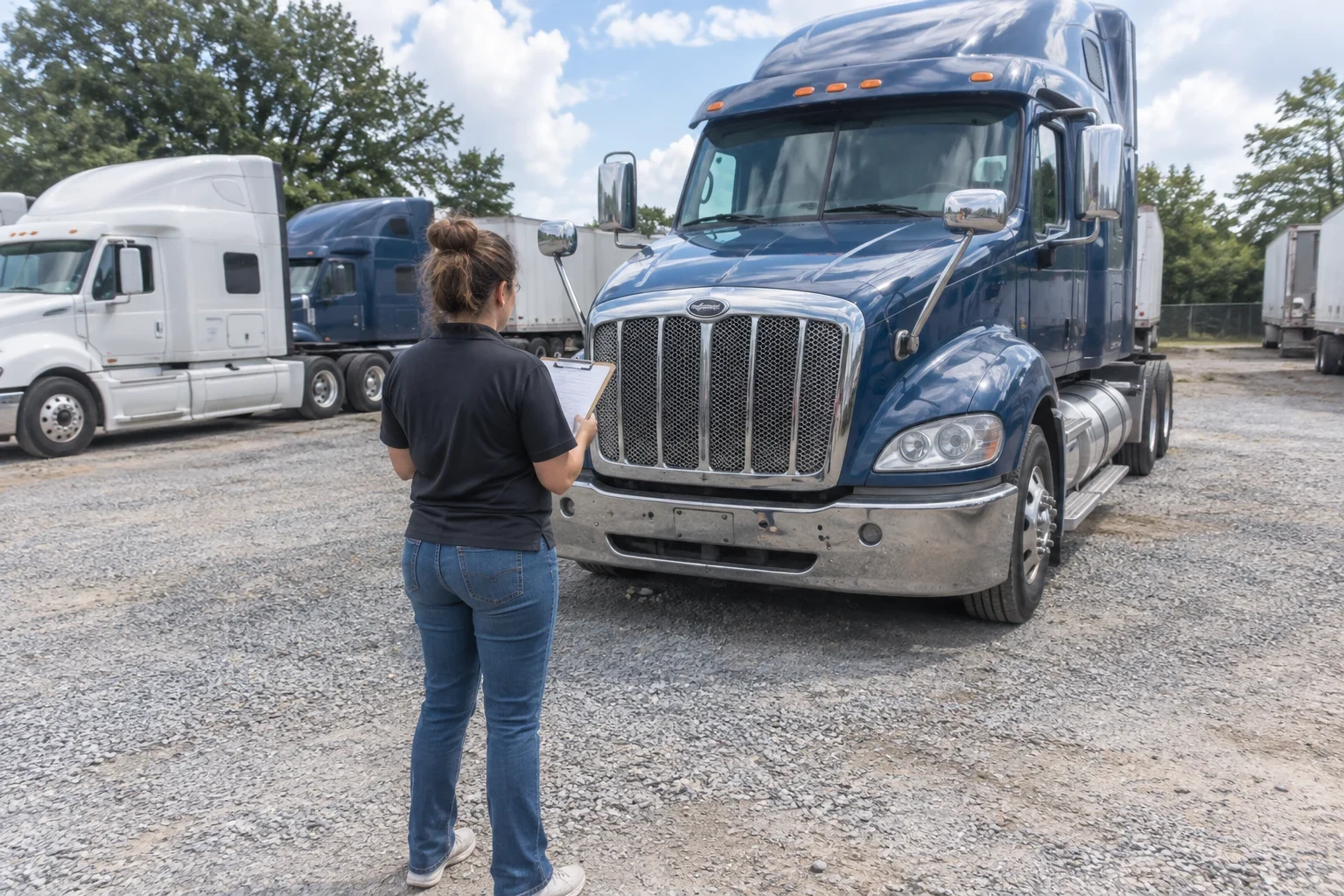
What physical damage coverage does for you
Physical damage insurance pays to repair or replace your own tractor, straight truck or trailer. It usually comes in two parts. Collision covers damage when your truck hits something or rolls over. Comprehensive covers almost everything else: fire, theft, vandalism, hail, flood, a falling tree or a deer on a dark highway.
Federal filings don't require it, which is why some operators skip it. But if your truck is financed or leased, your lender almost always will, and they'll want to be listed on the policy. If you own your truck outright, the question is simpler. Could you replace it out of pocket next week?
We've been in business 5 years, and we're licensed for property and casualty insurance. We'll give you a straight answer on whether this coverage makes sense for your operation, even when the answer is a higher deductible or less coverage than you expected.
What we look at when we build your policy
- Collision coverage
- Pays for damage to your truck in an accident, whether or not you were at fault. If the other driver was at fault, your carrier may recover the cost from their insurer later.
- Comprehensive coverage
- Handles non-collision losses like fire, theft, glass, hail and vandalism. Spring storms across north Georgia make this part worth a close look for any truck parked outside.
- Stated value that fits your equipment
- Most truck policies pay up to a stated value you choose. Set it too high and you pay extra premium for money you'd never collect. Set it too low and a total loss leaves a gap. We help you land on a realistic number.
- Trailers and attached equipment
- Owned trailers can be listed on the same policy. We also ask about permanently attached equipment, such as a liftgate, sleeper upgrades or a dump body, so it isn't left out.
- Lienholder and lessor listings
- We list your lender or leasing company correctly as loss payee and make sure they get the proof they need, so you don't hear from the bank about missing paperwork.
When it's time to look at physical damage coverage
You just financed a truck
Your lender will ask for proof of physical damage coverage before the deal closes or soon after. Getting it lined up early keeps the purchase on schedule.
Your truck's value has changed
Truck values move up and down with the used market. If you set your stated value years ago, you may be overpaying or underinsured today.
You're leased on to a carrier
The carrier's policy typically covers liability, not damage to your own truck. Many owner-operators find this out only after a claim.
You added a trailer or new equipment
New equipment isn't automatically covered. It needs to be listed with a value.
You paid off the truck and dropped coverage
That can be a fair choice. It's worth checking whether a higher deductible would let you keep protection for a total loss at a premium you can live with.
How getting covered works with us
- 1
A conversation first
You call, and we talk about your trucks, how you run and what you're worried about. It happens by phone, by video or at our office, whichever suits you.
- 2
We gather the details
We'll ask for VINs, year and make, what you paid, any loans or leases, driver information and recent loss history. If something is missing, we tell you exactly what and why.
- 3
We compare options
We look at different values, deductibles and carriers, then walk you through the trade-offs in plain terms. You won't be pushed toward the biggest policy.
- 4
Coverage starts and paperwork goes out
Once you choose, we bind the policy and send proof to your lender or lessor. If you need a certificate of insurance later, you can reach us by phone.
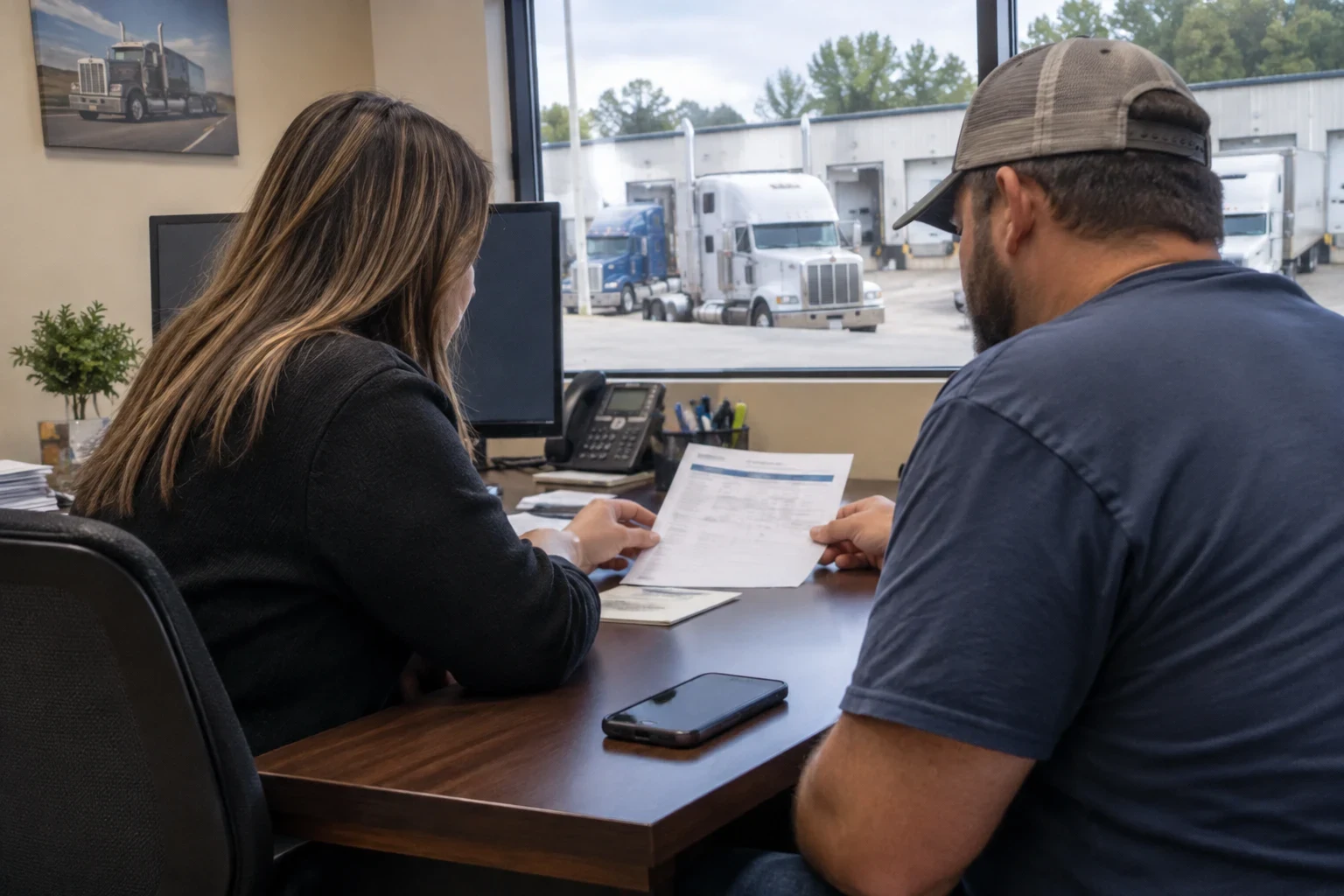
What moves the price of physical damage insurance
Your premium is built mostly from the value of the equipment listed on the policy and how likely a loss is. Some of these factors are in your control and some aren't. We'll show you which ones you can adjust.
- Stated value of the truck
- A newer tractor worth more to replace costs more to cover. Older trucks cost less, though at some point the coverage stops making financial sense.
- Deductible
- A higher deductible lowers the premium. The right deductible is one you could pay tomorrow without missing a load.
- Driver history and experience
- Clean MVRs and years behind the wheel help. Recent accidents or new CDL holders push rates up.
- Where and how you run
- Radius, the kind of freight you haul and where your trucks are parked overnight all play a part.
- Your loss history
- Prior physical damage claims tell carriers how often you've needed to use the coverage.
Physical damage insurance questions
Something not covered here? (770) 285-5789
Is physical damage insurance required to get my MC authority?
No. FMCSA filings are about liability, not damage to your own truck. Physical damage is usually required by your lender or lessor rather than by regulators. If your truck is paid off, it's your choice.
What's the difference between stated value and actual cash value?
Most truck policies use stated value, meaning you choose the amount on the policy. At claim time, the carrier generally pays the lesser of that stated value or the truck's actual cash value. That's why overstating the value rarely helps and usually just costs you more premium.
Does my carrier's policy cover my truck if I'm leased on?
Usually not. A motor carrier's policy commonly covers liability while you're under dispatch, but damage to your own truck is your responsibility. We can look at your lease agreement with you to see exactly what's on you.
Does physical damage cover a trailer I don't own?
Not normally. A trailer you pull under an interchange agreement is handled through trailer interchange insurance. We can explain how the two fit together if you pull both owned and non-owned trailers.
What if my truck is down after a covered loss?
Basic physical damage pays for repair or replacement, not lost income. Some carriers offer add-ons like towing or downtime coverage. We'll tell you what's available on the options we bring you and whether it's worth the added cost.
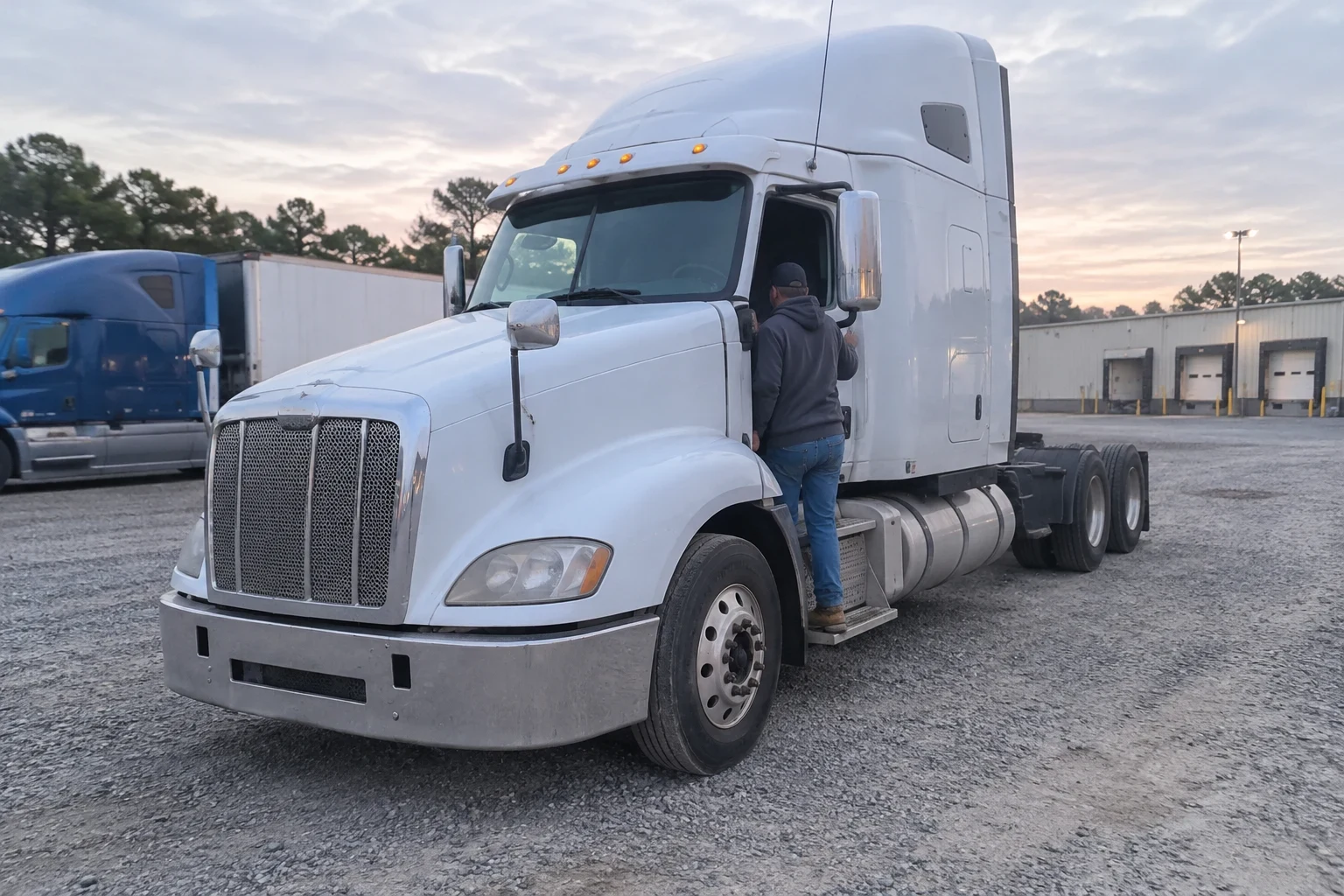
Let's make sure your truck is covered at the right value
Bring your VIN, your loan details and any questions. We'll talk through values and deductibles with you and put together options that fit how you run.